Nairobi’s healthcare system has seen noticeable improvements under Governor Johnson Sakaja, yet significant challenges remain, particularly in intensive care capacity.
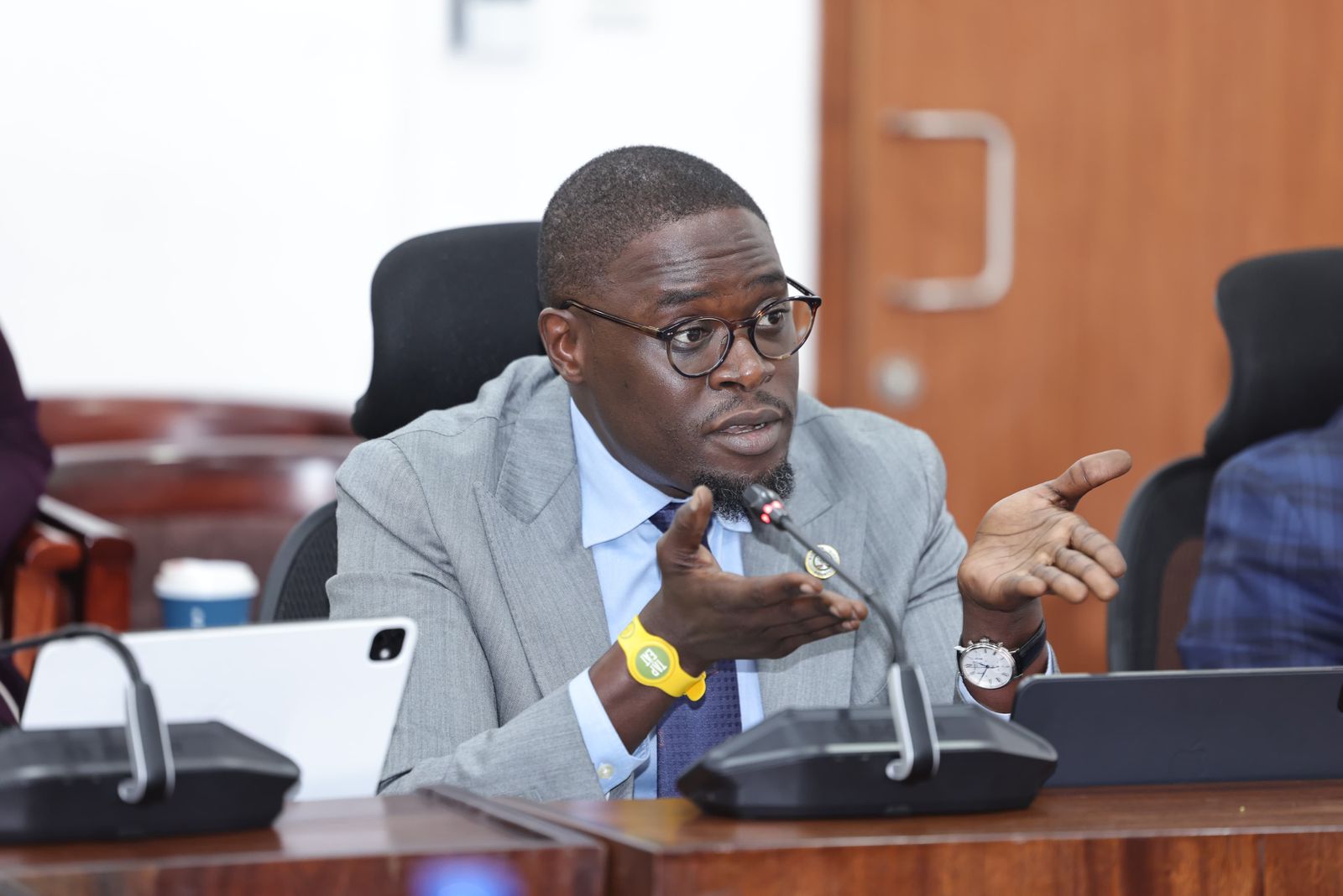
Speaking to the Senate Committee on Health, Sakaja said the city inherited a system unable to handle serious medical cases when he took office.
“Before I got into office, the only public ICU facility in Nairobi was at Kenyatta National Hospital,” he told lawmakers on Thursday.
He highlighted progress made over three years, noting 18 new ICU beds at Mama Lucy Kibaki Hospital, 10 at Mama Margaret Uhuru Hospital, and eight at Mbagathi Hospital.
The governor revealed that Mutuini Hospital is nearing completion of its ICU project, currently at 90 percent.
“We are now moving to operationalize the ones that have been completed but not yet opened,” he said, signaling plans to make all new facilities fully functional.
Sakaja attributed these developments to a task force he created 20 days into his term, which brought together health specialists and private sector professionals to evaluate the failing system.
“The implementation of that report is what has given us great results,” he said, explaining that reforms have focused on improving hospital leadership, patient services, and overall efficiency.
A major change in hospital management has been the introduction of Chief Executive Officers (CEOs) instead of medical superintendents.
“Each hospital will now be led by a CEO, not a medical superintendent,” Sakaja explained.
“You can be a doctor, but you must have additional training in hospital management, supply chain, and human resource for health.”
The Governor also praised the expansion of neonatal care units, describing them as a source of personal pride.
“That is my favorite place to visit,” he said. “Because now you can see fathers sitting with their little ones, it’s a beautiful thing.”
The governor warned that Nairobi’s growing population, reaching seven million during the day and 5.5 million at night, continues to challenge the city’s health infrastructure.
“Even as we make these improvements, there’s still a huge gap we must address,” he acknowledged.
Sakaja stressed the importance of stronger collaboration with the national government and private hospitals, saying, “private facilities are part of the health infrastructure for this country.” He noted ongoing obstacles, including a hospital project stalled for lack of an additional Sh50 million.
“In just three years, we have moved from zero to 28 ICU beds and built systems that will serve Nairobians better,” he said. “It’s not enough yet, but it’s a start and we are not stopping.”































Comments
Sign in with Google to comment, reply, and like comments.
Continue with Google